Source Front Disc Truck Brake Pads for Trailers, Buses, and Heavy Vehicles
Find reliable front disc truck brake pads from 30 verified suppliers offering low-metallic formulas and high-temperature resistance. Compare specifications, certifications, and pricing for trailers, buses, and heavy-duty trucks to ensure optimal braking performance.
Key considerations
Products List




Comprehensive Sourcing Guide
Strategic Sourcing Guide for Front Disc Truck Brake Pads
Understanding Product Specifications and Technical Attributes
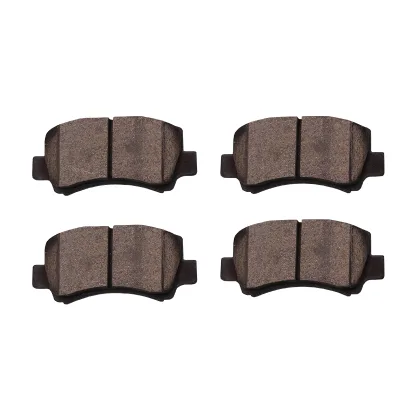
When sourcing front disc truck brake pads, buyers must first establish a clear understanding of the technical baseline required for heavy-duty commercial applications. The core product category, often identified by specific model numbers such as 29087 or 1906416, serves as the primary identifier for compatibility. These components are designed specifically for the brake systems of trucks and trailers, functioning as critical safety elements within the vehicle's stopping mechanism. The material composition is a primary differentiator in this sector. The available data indicates a preference for metallic species, specifically utilizing a low-metallic formula. This formulation is engineered to provide high-temperature resistance, a non-negotiable trait for vehicles operating under heavy loads or in demanding environments where thermal fade can compromise safety.
The manufacturing process for these components often involves a combination of forging and CNC cutting. This dual-process approach suggests a focus on structural integrity and precise dimensional accuracy, which are essential for ensuring consistent contact between the pad and the rotor. The physical form of the brake pad is typically flat, designed to fit into specific caliper assemblies. Buyers should verify that the "Pistons" configuration of the associated caliper system matches the pad specifications, as options may range from 2 to 6 pistons depending on the specific truck model and braking capacity required. Furthermore, the "Grade" of the material is classified as heavy-duty, indicating that these parts are not intended for light commercial use but rather for sustained operation in rigorous conditions. The "Wheel Base" of the vehicle, often ranging between 8000mm and 9000mm for the target truck class, influences the leverage and braking force required, further dictating the necessary specifications of the pad.
Compliance, Certification, and Regulatory Standards
In the international B2B market for automotive parts, compliance is not merely a formality but a prerequisite for market access and liability protection. The supply chain for front disc truck brake pads is heavily regulated, with suppliers expected to adhere to a robust array of international standards. Verified certifications associated with this product category include DOT (Department of Transportation), ISO/TS, ISO, BSCI, FSC, HACCP, GSV, GMP, IATF, ISO, ECE, and AMECA. These acronyms represent a spectrum of requirements ranging from safety performance and quality management systems to social responsibility and environmental standards.
The "Standard" classification for these brake pads is often aligned with OE (Original Equipment) specifications, ensuring that aftermarket replacements meet the same performance benchmarks as the parts installed during the vehicle's initial assembly. Additionally, the "Standard" may be referenced as "Standard" in general product listings, but buyers must demand specific documentation proving adherence to the relevant national or international safety codes. The "Axle Number" and "Certification" fields often appear linked, implying that the certification status of the supplier is tied to the specific axle configurations they support. For buyers operating in regions with strict import regulations, verifying that the supplier holds valid ISO and ECE certifications is critical to avoid customs delays or legal repercussions. The presence of certifications like GSV and BSCI also indicates that the manufacturing facility adheres to social compliance standards, which is increasingly a requirement for major logistics fleets and global retailers.
Cost Drivers and Pricing Dynamics
The pricing structure for front disc truck brake pads is influenced by a complex interplay of factors, including material costs, manufacturing complexity, and order volume. The observed price range in the market spans from 0.1 to 860 USD, a variance that reflects differences in product quality, packaging, and order quantities. This wide range suggests that buyers must be cautious when comparing unit prices, as the lowest cost option may not align with the heavy-duty requirements of a commercial fleet. The "MOQ" (Minimum Order Quantity) is a significant cost driver, with observed ranges extending from 1 to 3000 units, though specific listings often cite an MOQ of 50 sets or 50 pieces.
Bulk purchasing is a primary lever for cost reduction. Suppliers frequently offer tiered pricing structures where the unit cost decreases as the order quantity increases. The "Pallet" packaging method is standard for these heavy components, and the efficiency of palletization directly impacts shipping costs. Buyers should note that "Neutral Packaging" is available, which can reduce costs by eliminating branding expenses, while "Customer Request" packaging may incur additional fees for custom labeling or specific branding requirements. The "Delivery Time" is also tied to the "Order Quantity," meaning that rush orders or small batches may incur higher logistics costs or expedited manufacturing fees. Understanding these variables allows procurement teams to balance immediate budget constraints with long-term value, ensuring that cost savings do not come at the expense of component reliability.
Typical Applications and Market Fit
Front disc truck brake pads are designed for a broad spectrum of commercial applications, primarily targeting the heavy-duty trucking and trailer sectors. The "Application" is explicitly defined as the "Brake System," with specific usage noted for "Truck Trailer Brake Control." This indicates that the product is suitable for a wide range of vehicle types, including those with air suspension systems and flatbed configurations. The "Car Fitment" is listed as "All Trucks," suggesting a high degree of universality, though buyers must still cross-reference specific model numbers like 29087 with their fleet's technical specifications to ensure compatibility.
The "Main Market" data reveals a global distribution network, with these products serving regions in South America, North America, Eastern Europe, the Middle East, Southeast Asia, Africa, Western Europe, Eastern Asia, Northern Europe, Oceania, Southern Europe, Central America, South Asia, and the Domestic Market. This global reach implies that the product must meet diverse regulatory and environmental standards. The "Advantage" of these parts is often cited as "High Performance Parts," which is particularly relevant for fleets operating in challenging terrains or climates. The "Self-dumping" status is noted as "Not Self-dumping," which helps buyers identify the specific type of trailer or truck configuration the part is intended for. Whether for long-haul transport or regional distribution, the brake pad must maintain consistent performance under varying load conditions, making the "Low-Metallic" formula and "High Temperature Resistance" features essential for maintaining safety standards across these diverse applications.
Supplier Evaluation and Origin Verification
Evaluating a supplier for front disc truck brake pads requires a rigorous assessment of their operational capabilities and geographic origins. The "Place of Origin" and "Product Origin" are frequently cited as Shandong, China, a region known for its manufacturing base in automotive components. While this provides a starting point for sourcing, buyers must verify the specific factory credentials. The "Factory" name, such as Frontech, may appear in product listings, but buyers should conduct independent due diligence to confirm the factory's capacity, history, and reputation. The "Craft" of the manufacturing process, specifically "Forging+CNC Cutting," should be verified through site audits or third-party quality reports to ensure the claimed processes are actually employed.
Supplier evaluation should also consider the "Customization" capabilities. The availability of customization allows buyers to tailor products to specific fleet needs, such as unique color requests or specialized packaging. However, this flexibility must be balanced against the supplier's ability to maintain consistency. The "Market" classification as "Aftermarket" indicates that the supplier operates in the replacement parts sector, which requires a different quality assurance mindset than OEM production. Buyers should verify the supplier's track record in the aftermarket, looking for evidence of consistent delivery and customer satisfaction. Additionally, the "Condition" of the product is listed as "New," which is a baseline requirement, but buyers should also inquire about the storage conditions and shelf life of the components to prevent degradation before installation.
Quality Control and Long-Term Procurement Considerations
Ensuring the long-term reliability of front disc truck brake pads requires a proactive approach to quality control and supply chain management. The "Standard" of the product, often aligned with OE specifications, serves as the baseline for quality, but buyers must implement their own verification protocols. This includes requesting test results for "High Temperature Resistance" and "Low-Metallic" formula stability. The "Packing" method, whether "Pallets" or "Fallet" (likely a variation of pallet), must be inspected to ensure the components are protected during transit. "Neutral Packaging" or "Customer Request" packaging should be checked for integrity to prevent damage during shipping.
Long-term procurement considerations involve building a sustainable relationship with suppliers who can guarantee consistent quality over time. The "Delivery Time" is noted as "According to Order Quantity," which implies a need for flexible inventory management. Buyers should establish clear communication channels to manage lead times, especially for large orders that may require extended production schedules. The "Features" of the product, such as "High Temperature Resistance," should be validated through periodic sampling and testing to ensure that the manufacturing process has not drifted. Furthermore, the "Grade" of the product, classified as "Heavy Duty," should be maintained consistently across all batches. By focusing on these quality control measures and maintaining a strategic partnership with verified suppliers, buyers can mitigate risks and ensure the safety and efficiency of their trucking operations.
FAQs
What certifications do front disc truck brake pads typically hold?
These brake pads commonly hold certifications such as DOT, ISO, ECE, and IATF. Buyers should verify specific documentation to ensure compliance with regional safety standards and import regulations before placing orders.
Which material formula is used for heavy-duty truck brake pads?
The pads utilize a low-metallic formula designed for high-temperature resistance. This composition ensures structural integrity and performance stability under the heavy loads and demanding conditions typical of commercial trucking operations.
Can buyers request custom packaging for these brake pad orders?
Yes, customization is available for packaging and color upon customer request. Buyers can choose neutral packaging to reduce costs or specify branding requirements, though this may affect the final unit price and lead time.
What is the minimum order quantity for purchasing truck brake pads?
The standard minimum order quantity is 50 sets or 50 pieces. Bulk purchasing often reduces unit costs, but buyers must meet this threshold to initiate production and secure the quoted pricing structure.
How is the manufacturing process for these brake pads conducted?
Production involves a combination of forging and CNC cutting techniques. This dual-process approach ensures precise dimensional accuracy and high structural integrity required for reliable braking performance in heavy-duty applications.
Where are these front disc truck brake pads manufactured?
The products originate from Shandong, China, a known manufacturing hub for automotive components. Buyers should verify factory credentials and audit capabilities to ensure consistent quality and adherence to the stated production standards.
What is the delivery time for custom truck brake pad orders?
Delivery time varies according to the specific order quantity requested. Larger batches may require extended production schedules, so buyers should coordinate lead times early to align with their fleet maintenance and logistics planning.